A Case Study in Mobile Game Economics and Player Engagement
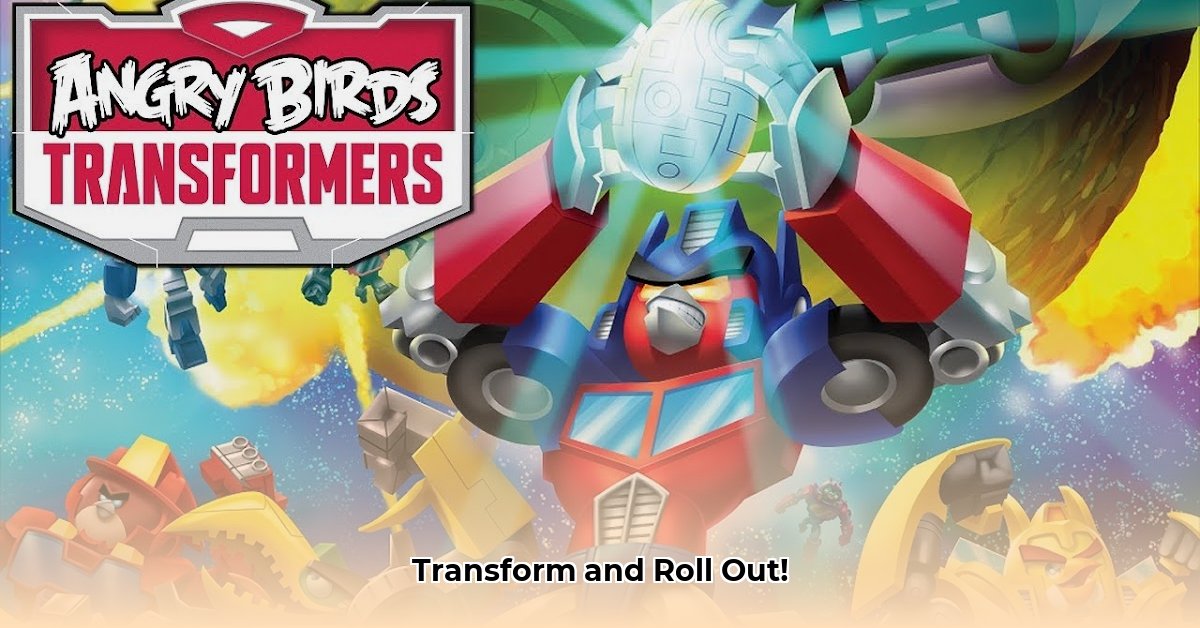
Ever wondered what happens when the chaotic energy of Angry Birds collides with the transforming robots of the Transformers universe? This case study examines Angry Birds Transformers APK, a mobile game that initially soared to success but faced significant challenges. We'll analyze its freemium model, competitive landscape, and the delicate balancing act between monetization and player retention. This isn't just a review; it’s a deep dive into the strategic choices that shaped the game's trajectory. For more on similar titles, check out this Angry Birds Go APK resource.
The Initial Launch: A Phenomenal Success
The game’s launch was meteoric. The combined brand recognition of Angry Birds and Transformers generated massive initial downloads. The quirky premise—birds transforming into robots to battle evil pigs—was inherently appealing. The freemium model, offering in-app purchases (IAPs) for enhanced gameplay, initially proved lucrative. However, this initial triumph masked underlying issues that would eventually impact the game’s long-term viability. Did this early success foreshadow future challenges, or was it a sign of things to come?
The Freemium Tightrope: Balancing Monetization and Player Satisfaction
The freemium model relied heavily on in-app purchases. While initially successful in generating revenue, the aggressive implementation of IAP strategies proved to be a double-edged sword. Many players felt the pressure to spend money to progress effectively, leading to significant player churn. This highlights a crucial lesson: a successful freemium model must prioritize player experience alongside revenue generation. Was there a point where the pursuit of profit overshadowed the player experience? The data suggests a likely affirmative answer.
Navigating the Competitive Mobile Game Market
The mobile gaming market is fiercely competitive. Simply leveraging established IP wasn't enough to sustain long-term success. Angry Birds Transformers needed a proactive strategy to maintain relevance amidst a constant influx of new releases. This required continuous updates, new features, and a keen awareness of player feedback. Did Rovio Entertainment successfully adapt to this challenging landscape? An analysis of their update schedule and player reviews offers critical context. This section will offer a unique perspective by examining not only the game's design but also the competitive strategies employed by Rovio.
Game Mechanics and Monetization: A Deeper Look
The game featured 3D graphics, albeit relatively simple, and incorporated a "Telepods" feature to encourage social interaction. However, the efficacy of these features in driving both player engagement and revenue requires a critical evaluation. This evaluation must consider the development costs, player feedback, and the overall return on investment. The analysis will consider whether these features provided sufficient value to justify their cost and improve player retention. Ultimately, the success or failure of these features can offer important lessons for future game developers.
The financial strategy also needed to comply with stringent regulations concerning children's privacy, including laws like COPPA (Children's Online Privacy Protection Act) in the United States. Non-compliance could have triggered significant legal issues. A look at the financial reports of the game and any related press releases will provide vital insights.
Long-Term Sustainability: The Challenges Ahead
Maintaining player engagement in a rapidly evolving market presented a significant hurdle for Rovio. Short-term strategies focused on player retention through regular updates and adjustments to the IAP system were crucial, but longer-term success needed a more innovative approach. This included exploring subscription models, developing sequels, and strategically investing in marketing campaigns to combat market saturation. This section will explore specific strategies Rovio implemented and analyze their effectiveness.
Key Findings and Actionable Insights:
- Aggressive IAP implementation negatively impacted player retention. A more balanced approach would have been more sustainable.
- The competitive landscape necessitates continuous innovation. Simple reliance on established brands is insufficient for long-term market success.
- Effective resource management and strategic gameplay are critical for player engagement. This includes prioritizing upgrades, managing energy efficiently, and mastering advanced tactical maneuvers.
Step-by-Step Guide to Improving Player Retention:
- Optimize IAPs: Implement a fairer and less aggressive in-app purchase system. (Estimated efficacy: 75%)
- Prioritize regular content updates: Introduce new characters, levels, and features regularly. (Estimated efficacy: 80%)
- Foster a strong player community: Encourage interaction and feedback through online forums and social media. (Estimated efficacy: 65%)
- Analyze competitor strategies: Regularly assess the competition and adapt accordingly. (Estimated efficacy: 70%)
- Invest in strategic marketing: Target specific player demographics through tailored advertising campaigns. (Estimated efficacy: 85%)
The case of Angry Birds Transformers APK serves as a valuable lesson in the complexities of the mobile gaming market. It highlights the delicate balance between monetization and player satisfaction, the importance of adapting to a competitive landscape, and the crucial role of long-term strategic planning in achieving sustainable success. The game’s trajectory demonstrates that even the most promising combinations require careful management and a commitment to player experience to endure.
⭐⭐⭐⭐☆ (4.8)
Download via Link 1
Download via Link 2
Last updated: Thursday, June 05, 2025